Have you ever had last-minute dinner guests and would like to give them a dessert, but feel you don’t have the time or energy?
These citrus olive oil custard pots take 6 minutes in the blender, with no stove and no standing over a pot stirring. Everything goes in at once, then they chill while you get on with the cooking of the main course.

No-Cook Citrus Olive Oil Custard Pots
Adapted from a recipe by Caroline J. Beck
food52.com
Utensils
- fine grater or zester
- chopping board and knife
- citrus juicer
- measuring cups and spoons
- high-speed blender
- 6 small serving glasses
-
Add to the blender3 whole eggs, at room temperature
2 TBS lime or lemon zest
¼ cup honey or maple syrup
½ cup extra virgin olive oil
½ cup fresh lime or lemon juice
½ tsp pure vanilla extract -
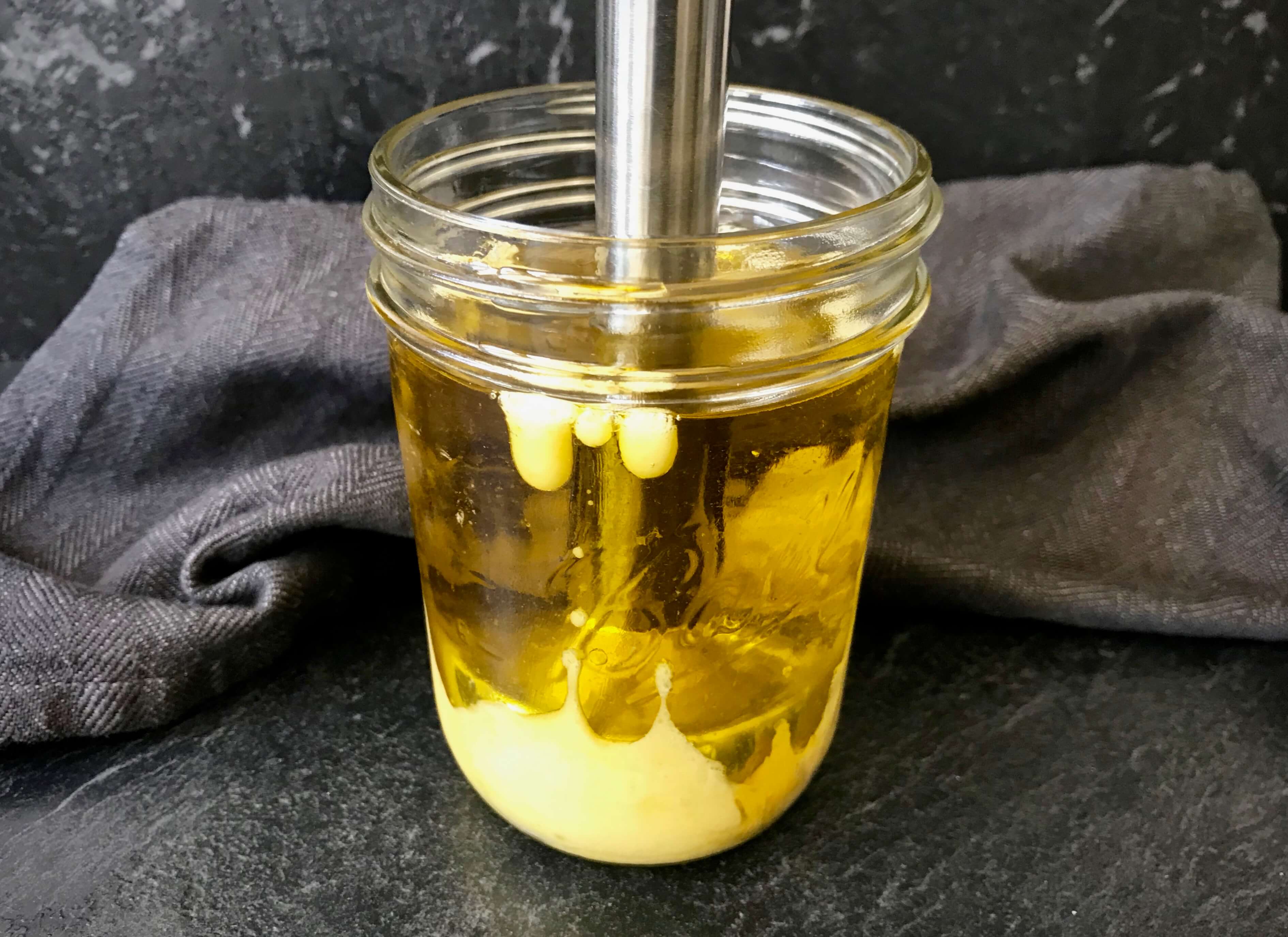
Blend on the highest setting for approximately 6 minutes or until the custard thickens on the sides.
-
Spoon into the serving glasses.
-
Chill for at least 1 hour before serving.
-
Serve topped withGreek or coconut yoghurt (optional)
a few curls of citrus peel (optional)
Easy Read Recipes
Nutrition Information
| Per serve | Per 100 g | |
|---|---|---|
| Energy | 1025 kJ (245 Cal) | 1280 kJ (306 Cal) |
| Protein | 3 g | 4 g |
| Carbohydrate | 14 g | 18 g |
Estimated from the ingredients, without the optional toppings. One serve is about 80 g.
Recipe Notes and Tips
- It works best to zest the fruit before you juice it. Zesting a whole lemon is far easier than wrestling with a squeezed half.
- You’ll know it’s ready when the custard thickens on the sides of the jug.
- Limes give a sharper, brighter result and lemons a rounder one. Use whichever is in the fruit bowl.
- For me, the spoon of yoghurt is the bit that makes it. It softens the citrus and makes each little pot look finished.
- The custard itself has no dairy in it. Choose coconut yoghurt on top, or leave it off, and these stay dairy free and paleo.
Questions you might have
Does it taste like olive oil?
Yes, and that’s part of the pleasure. The oil gives the custard its silky texture and a gentle savoury note, while the citrus keeps it bright rather than heavy. Doubling the amount of vanilla extract will mask some of the taste if it bothers you. I often use a light-tasting extra virgin olive oil, macadamia nut oil, or coconut oil.
Are the eggs safe if they’re not cooked on the stove?
A high-speed blender heats the custard by friction as it runs. I use a Thermomix, and the mixture has on occasion started to thicken at 55°C. Food safety advice is to cook eggs to 72°C for anyone at higher risk, so perhaps give this recipe a miss if you’re serving young children, pregnant women, older adults, or anyone unwell. I always use extremely fresh eggs from a reputable supplier if my chickens aren’t laying.
Can I use an ordinary blender?
Not for this version. The friction of a high-speed blender is what cooks and thickens the custard, and a standard blender won’t get hot enough. The original recipe offers a double boiler instead: blend first, then thicken over gently simmering water.
Why didn’t my custard thicken?
Some recipes blend for as long as 8 minutes. If it’s still thin after that, the blender most likely isn’t reaching the heat it needs. You can finish it in a bowl over gently simmering water, stirring until it coats the back of a spoon, which is the alternative method in the original recipe.
Can I make these ahead?
Yes. They keep in the fridge for up to 3 days, covered, and they freeze well. The texture comes back creamy once thawed. Chill them for at least an hour before serving.